Your Hips and Low Back are Aching Because…
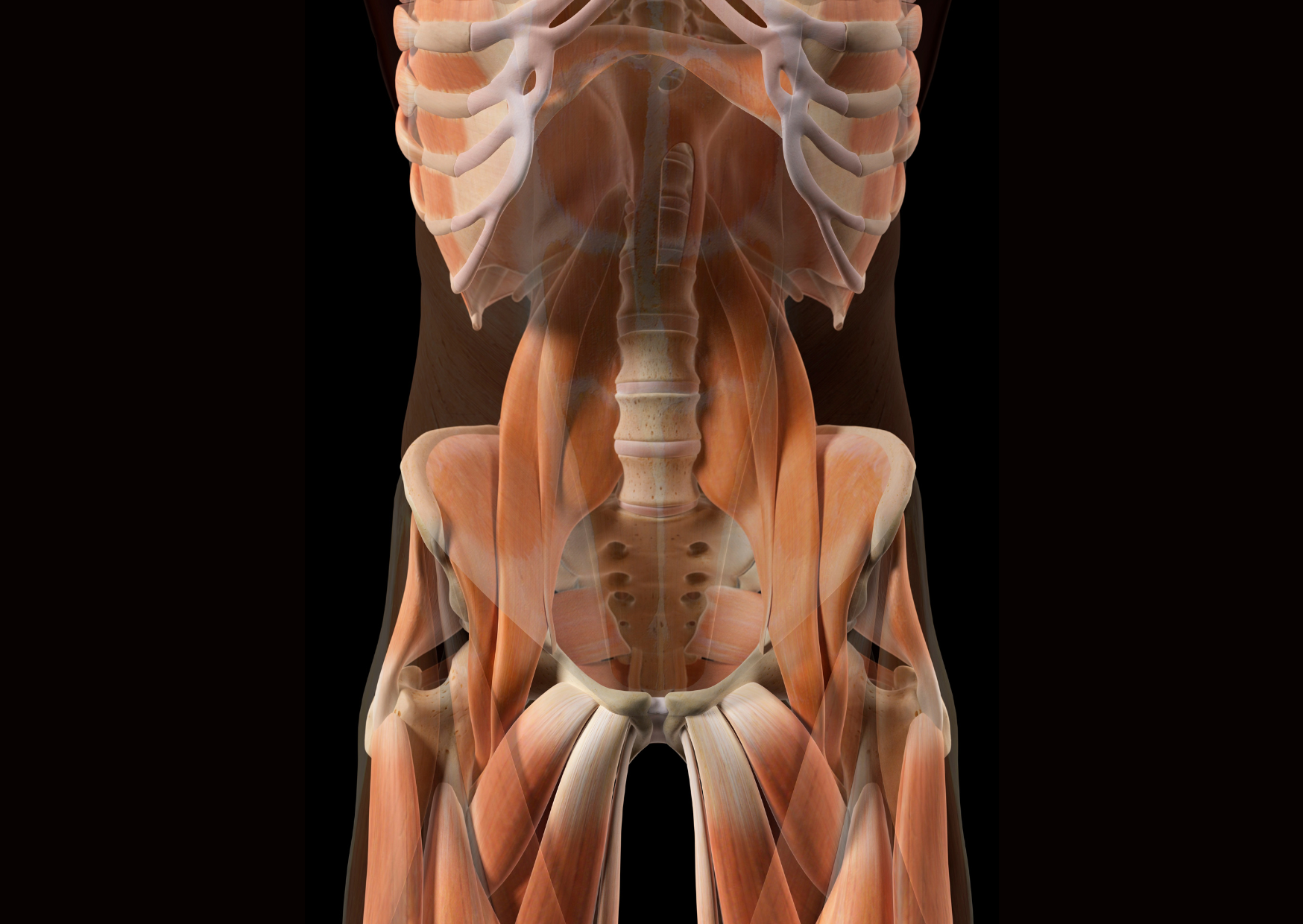
Your hips serve as a vital bridge between your upper and lower body, and at the center of this connection lies the psoas major muscle. This muscle, along with the iliacus, forms the iliopsoas and plays a crucial role in your body’s movement.
Often referred to as the “mighty” psoas, it is the only muscle in the human body that connects the upper body to the lower body. Originating from the vertebrae of the lower spine, it traverses through the pelvis and attaches to a tendon at the top of the femur.
Additionally, it attaches to the diaphragm, influencing your breathing, and supports major organs in the pelvic and abdominal cavity. It’s no exaggeration to say that the psoas muscle is the core of activity in your body.
Your psoas…
…stabilise your trunk and spine during movement and sitting
…allow you to bend your hips and legs towards your chest
…support your internal organs
…is connected to your diaphragm which allows you to walk and breathe
In other words, your psoas has a direct influence on your fight or flight response!
If the psoas get tight and weak, it can be a real pain but working certain muscles and doing certain exercise combinations provide easy fixes.
A well-functioning psoas muscle is essential for maintaining a neutral pelvic alignment, stabilizing the hips, supporting the lower spine and abdomen, and providing mobility and core strength.
It enables you to achieve peak performance consistently, helps in shedding stubborn body fat, allows you to train harder and gain strength faster, and contributes to peak sexual health.
Moreover, it can fill your mind and body with renewed energy and vigor.
However, when the psoas muscle is out of balance or tightens, serious consequences can occur throughout the body.
So… If you experience…
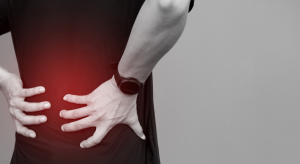
🌀low back pain
🌀hip pain
🌀stiffness
🌀pain while walking or moving
🌀trouble sleeping
🌀shortness of breath
You need to start undoing some of the damage done to your body and start helping the body to naturally heal itself.
>> Here are the best strategies to Go from “Sore” to “Supple”.
Certain activities can negatively impact the psoas muscle, such as prolonged sitting, engaging in activities that cause muscle tightness, or performing high-impact exercises without proper warm-up.
To maintain a healthy psoas muscle, regular stretching and strengthening exercises are crucial.
Additionally, being mindful of your posture throughout the day and incorporating low-impact activities like yoga or swimming can help.
In conclusion, the psoas muscle is a vital component of your body’s functionality and movement. Understanding its importance and implementing strategies to keep it healthy can significantly enhance your overall well-being and performance.
To your better health!
Note: This site may contain affiliate links, meaning I get a commission if you decide to make a purchase through my links, at no cost to you.